Mastering the Art of the Office Seating Plan

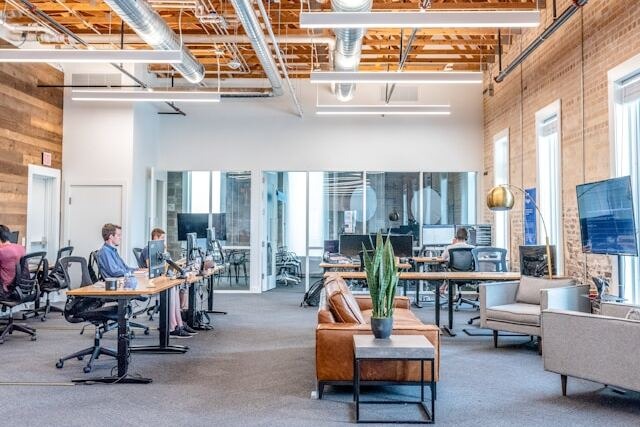
A view across a modern, well-lit, and high-ceilinged workspace. There is exposed, shiny ducting criss-crossing the ceiling as well as bright, straight light fixtures hanging down. People work at desks on the left, there's breakout space on the right next to tall windows, and there's a private office and meeting room behind glass on the far wall. Image at LondonOfficeSpace.com.

In the dynamic world of modern business, the design and layout of office spaces play pivotal roles in defining a company’s success. One often overlooked aspect of this is the office seating plan. While it might seem like a simple task, deciding where your employees sit can directly influence your business outcomes.

Why is that? Well, at its core, an effective seating plan does more than just arrange desks and chairs. It sets the stage for enhanced collaboration, fosters a conducive environment for focused work, and can even act as a catalyst for spontaneous innovation.

Office spaces, particularly in bustling business hubs like London, aren’t merely physical areas filled with furniture. They are strategic assets. How you utilise these assets—like creating a well-thought-out seating arrangement—directly correlates with employee productivity. For instance, the concept of hot-desking, which is rapidly gaining traction in the UK, underscores the need for flexibility and efficiency in office seating. With employees no longer tied to one specific desk, the need for a coherent and adaptive seating strategy becomes even more essential.

Continue reading “Mastering the Art of the Office Seating Plan”

The Core Elements Shaping the Future of Office Interior Design

open plan office space with homely furniture and a small rug on the floor

Office interior design has always evolved alongside the needs and requirements of occupants, with recent changes being implemented by office interior designers and business leaders being no different. The dramatic events that have taken place in the world of work since the start of the 2020s have made this even more evident. When compared to five – or even three – years ago, current tenant attitudes and requirements have shifted almost beyond recognition. Whilst many of the design elements now in high demand were predicted to eventually emerge over time, with initial concepts surrounding modularity and flexibility being present in cutting-edge tech offices in years gone by, few would think that any office design company would’ve predicted the rapid creation of such a new office interior design paradigm.

Continue reading “The Core Elements Shaping the Future of Office Interior Design”